
Qualcomm TM5200
Year: 2001
Prototype level: Platform
Codename: N/A
Overview
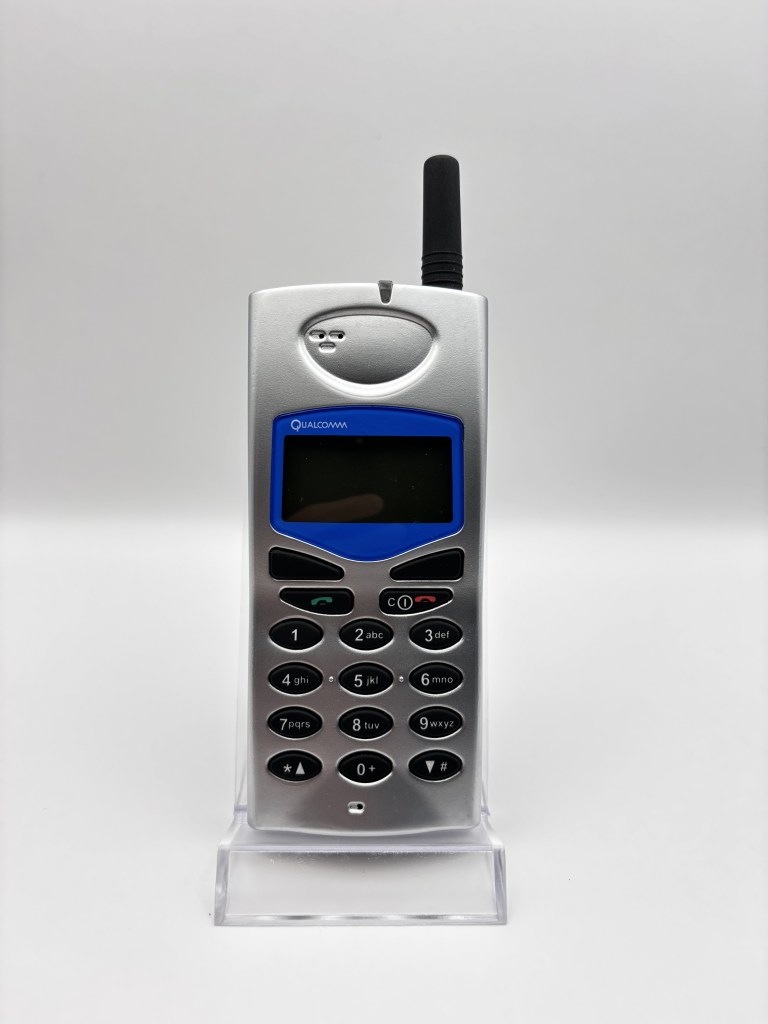
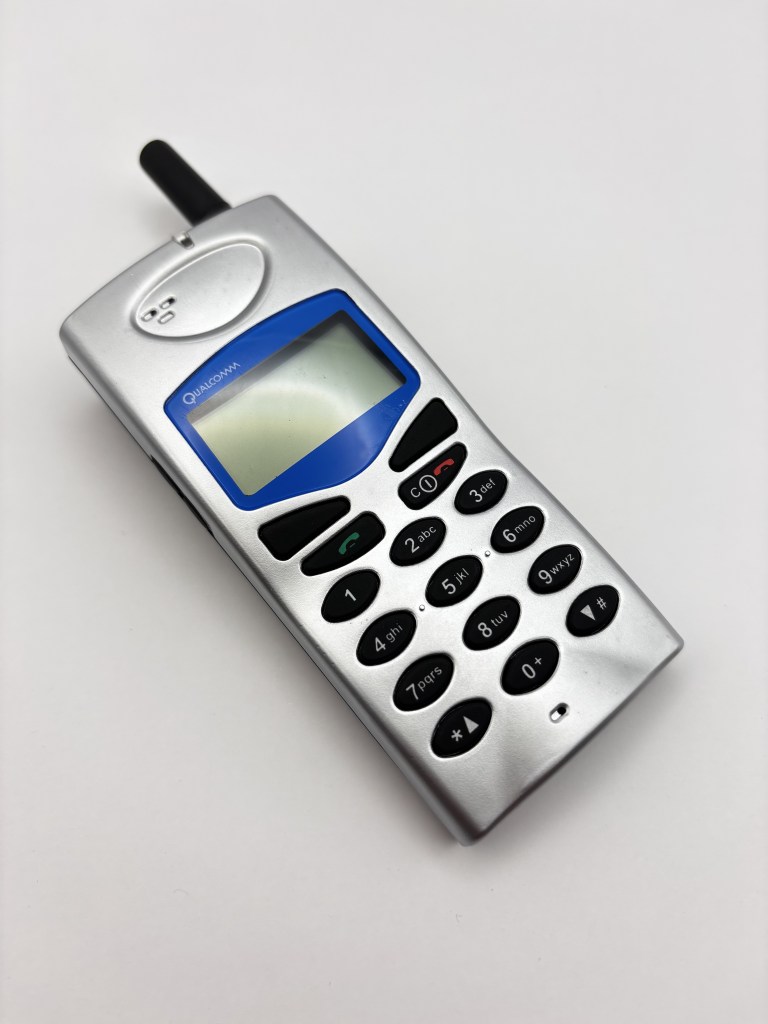
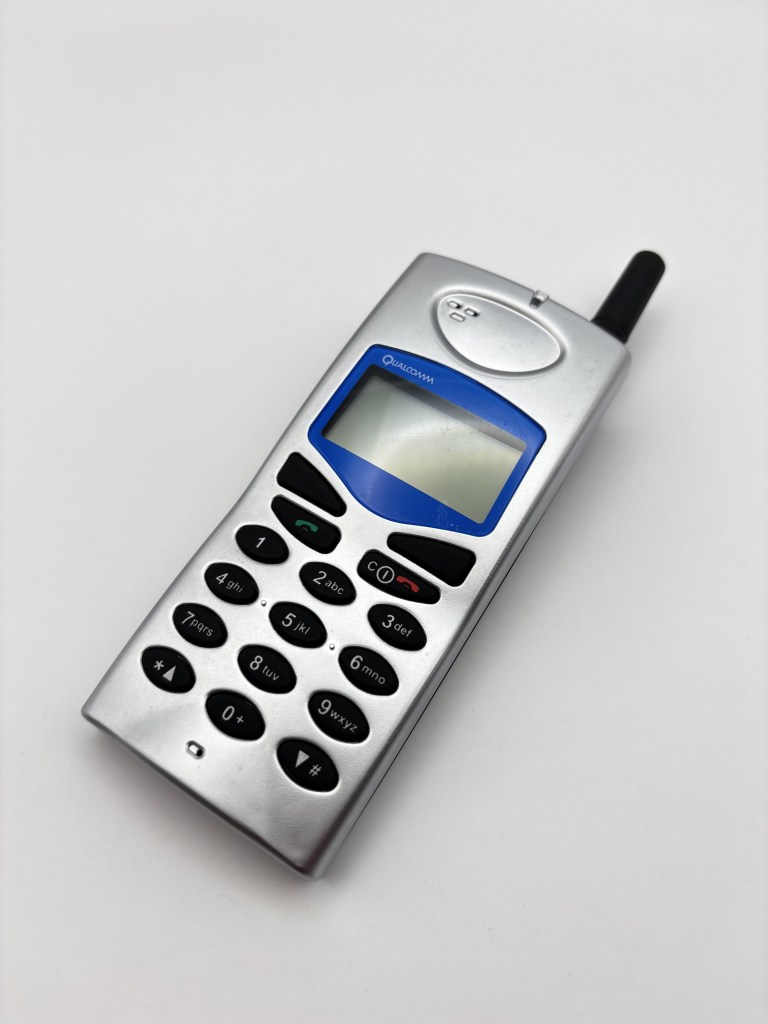
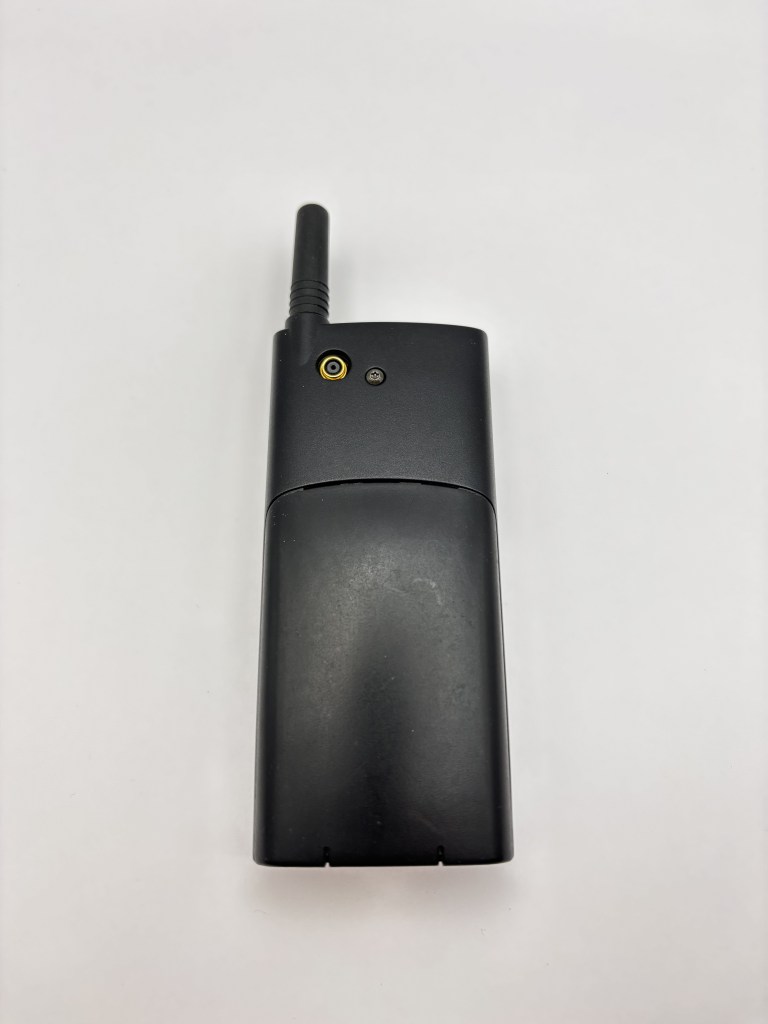
The Qualcomm TM5200 is a piece of hardware from the early days of UMTS, when the new 3G standard was still being turned from a specification into something that could be tested on real mobile equipment. Rather than being a consumer phone, the TM5200 was a User Equipment (UE) test platform, essentially a working mobile terminal intended for engineers and test laboratories to verify how WCDMA/UMTS behaved under defined conditions. Its role is documented in 3GPP test material from 2003, where TM5200 units are recorded successfully completing conformance test cases using professional 3G network simulators.
At the heart of the TM5200 was Qualcomm’s MSM5200 Mobile Station Modem, part of the company’s first generation of WCDMA chipset technology. Qualcomm began supplying MSM5200 samples to handset manufacturers in 2001 and used the platform in early demonstrations of working UMTS voice and data connections. The chipset combined the 3G modem with technologies such as Bluetooth, GPS positioning and multimedia capabilities, illustrating how much functionality Qualcomm was already trying to bring together at this early stage of 3G development.
The TM5200 therefore represents a very different kind of prototype from an unreleased consumer handset. It was a tool for proving and measuring the technology that would eventually disappear inside commercial phones. The work carried out with platforms such as this helped establish Qualcomm’s WCDMA technology before increasingly integrated solutions such as the MSM6200 generation began bringing UMTS together with other cellular standards in hardware intended for commercial handset development.

