
Ericsson Mobile Platforms U350
Year: 2006
Prototype level: Platform
Codename: Futaba
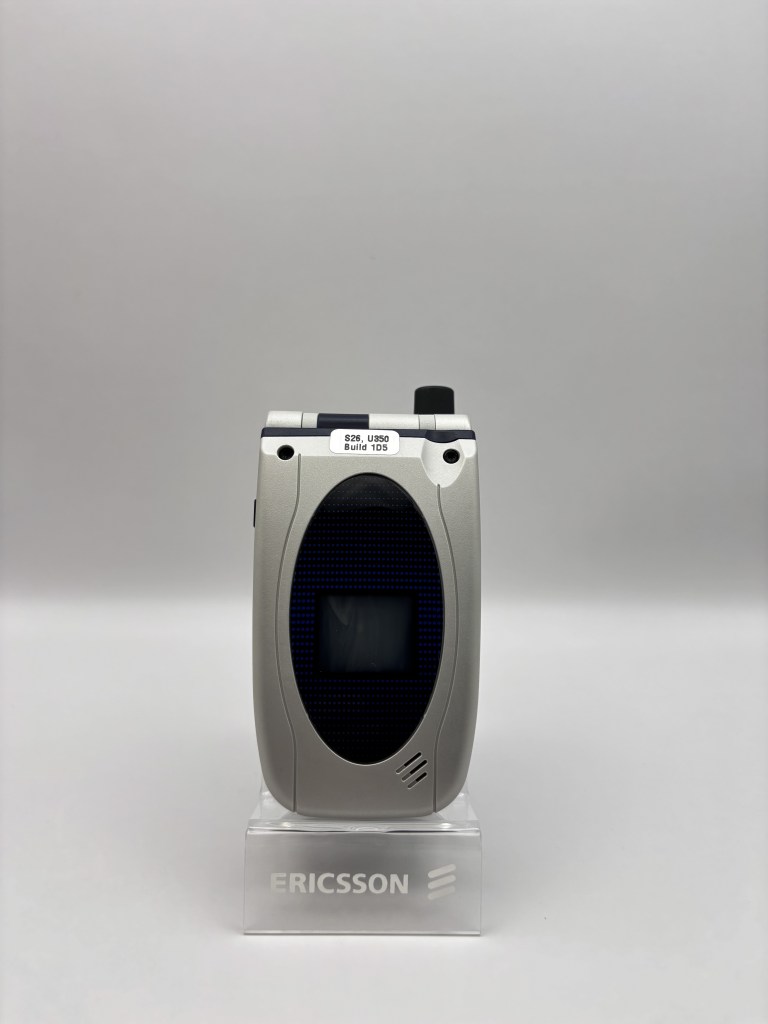
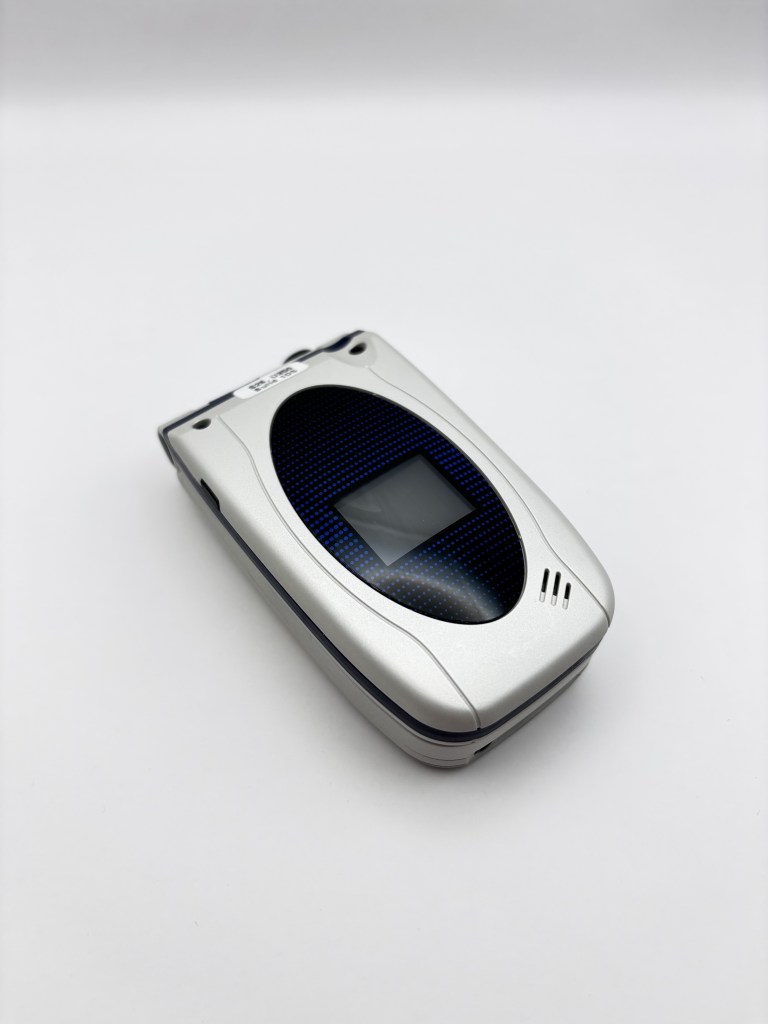
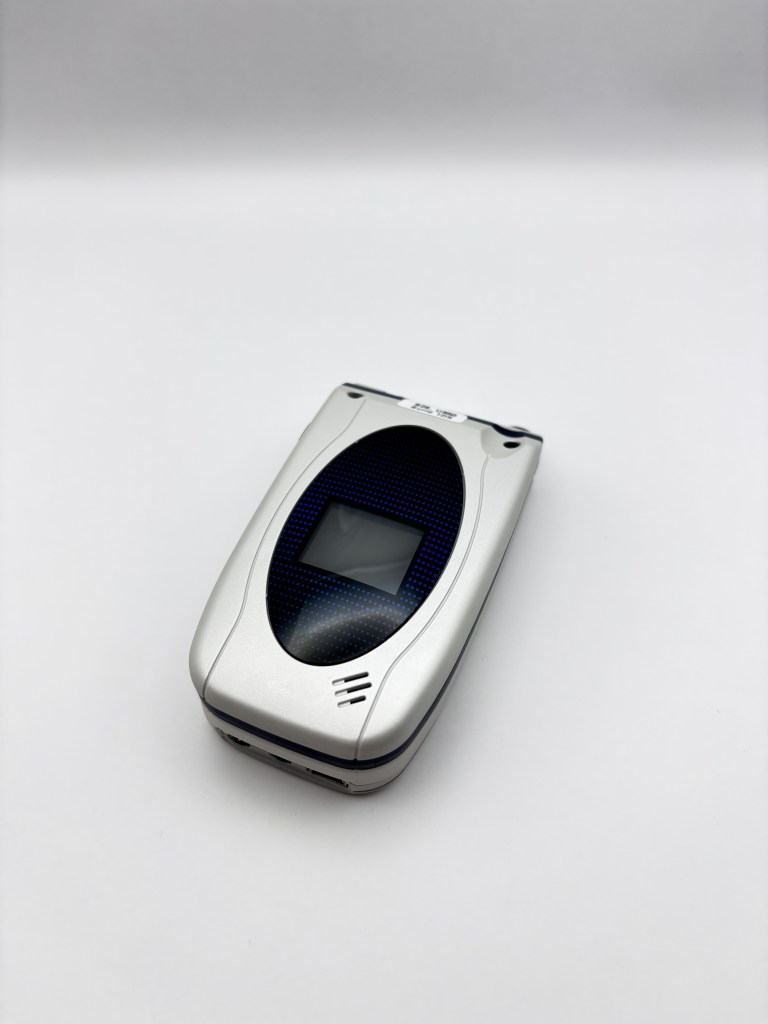

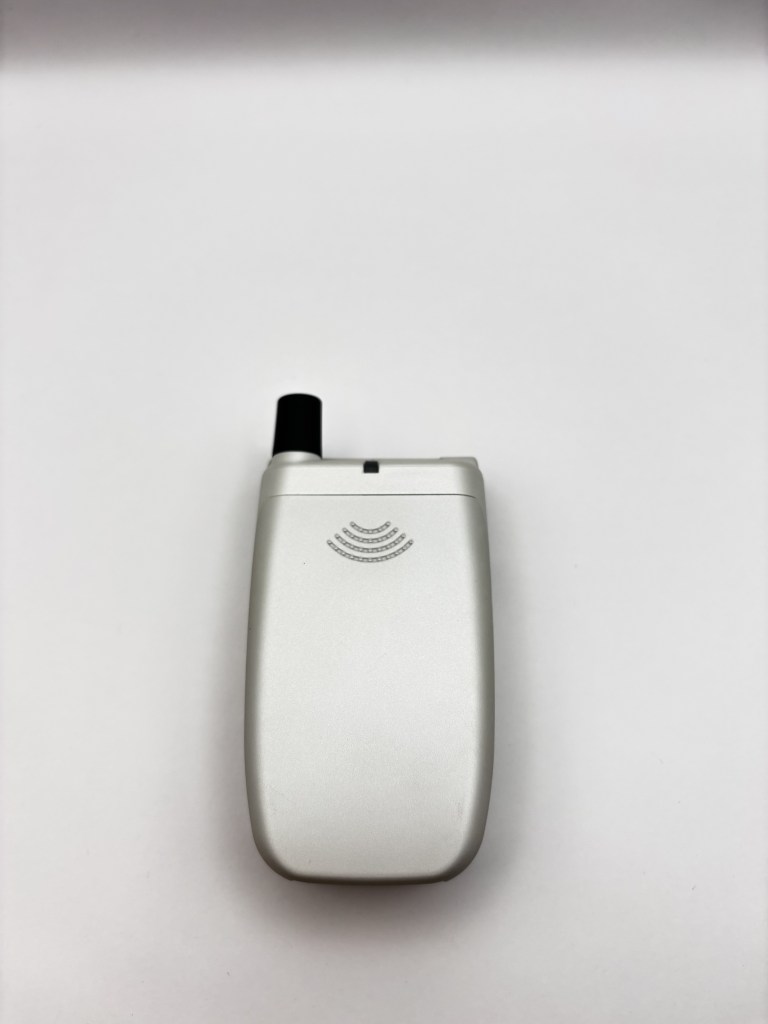
Overview
The Ericsson Mobile Platforms U350 belongs to the generation of platforms that brought high-speed packet access into increasingly compact mobile devices. Introduced in 2006, the U350 was designed as a complete handset platform combining quad-band GSM/EDGE with single-band HSDPA, allowing manufacturers to build smaller 3G phones without having to develop the underlying radio and software architecture themselves. Ericsson positioned it as a practical route towards bringing faster mobile data into mainstream handsets.
The platform was also used as the foundation for Ericsson’s own experimental hardware. Among the prototypes developed around the U350 was a compact HSPA handset used to demonstrate the capabilities of the platform ahead of widespread commercial deployment. Ericsson’s prototype work was deliberately carried out ahead of the commercial products, allowing new radio technologies and applications to be demonstrated on real hardware before the technology was ready for mass-market phones.
U350 supported HSDPA data rates of up to 3.6 Mbps and combined the high-speed data connection with EDGE and GSM compatibility. Ericsson also developed the platform with multimedia applications in mind, including advanced graphics, high-quality audio and larger displays. The U350 therefore represents an important stage in the evolution from early UMTS handsets towards the faster, more capable smartphones and feature phones that followed.
 Phones That Never Were