
Ericsson Mobile Platforms U100
Year: 2003
Prototype level: Platform
Codename: Wakaba
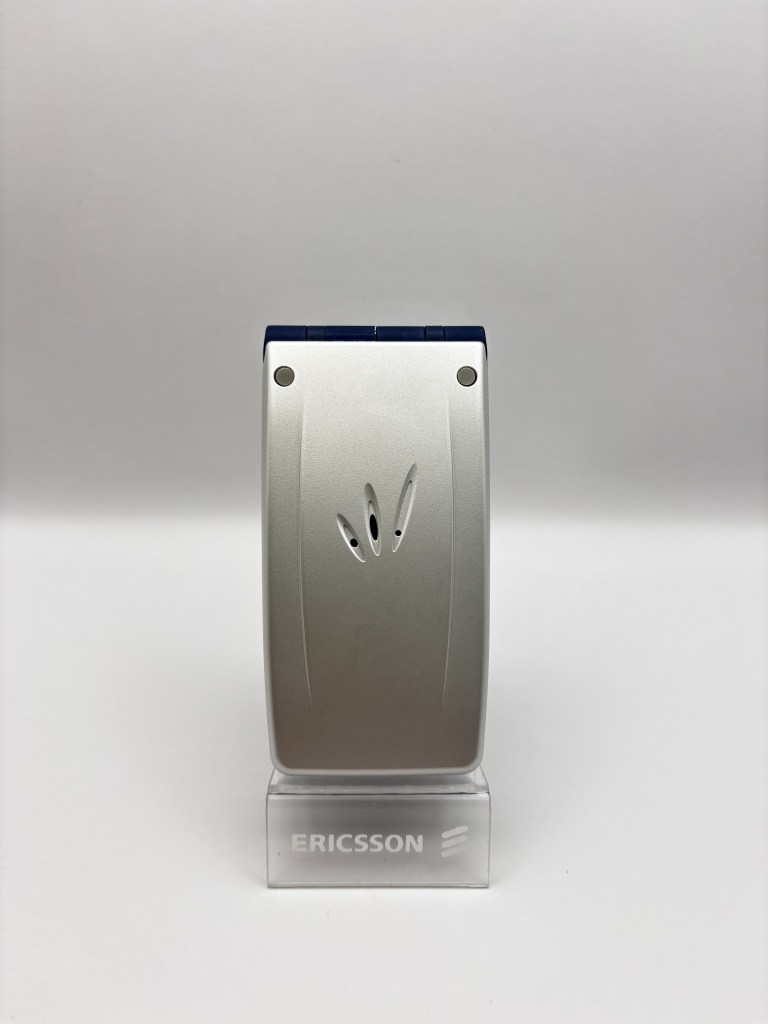
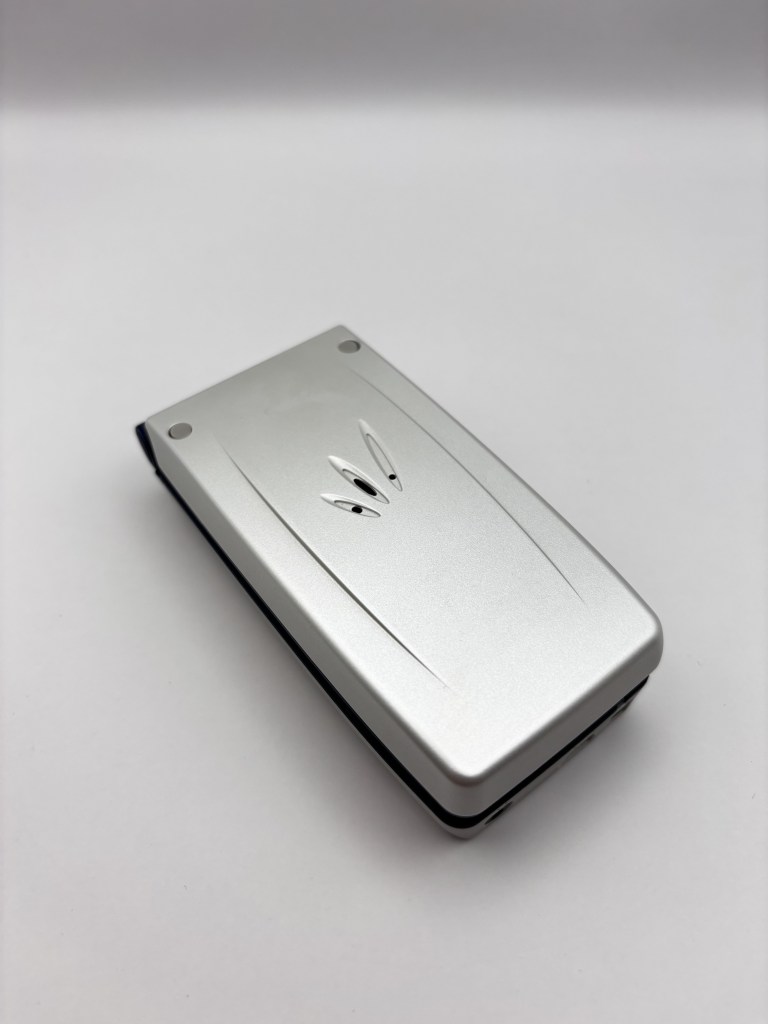
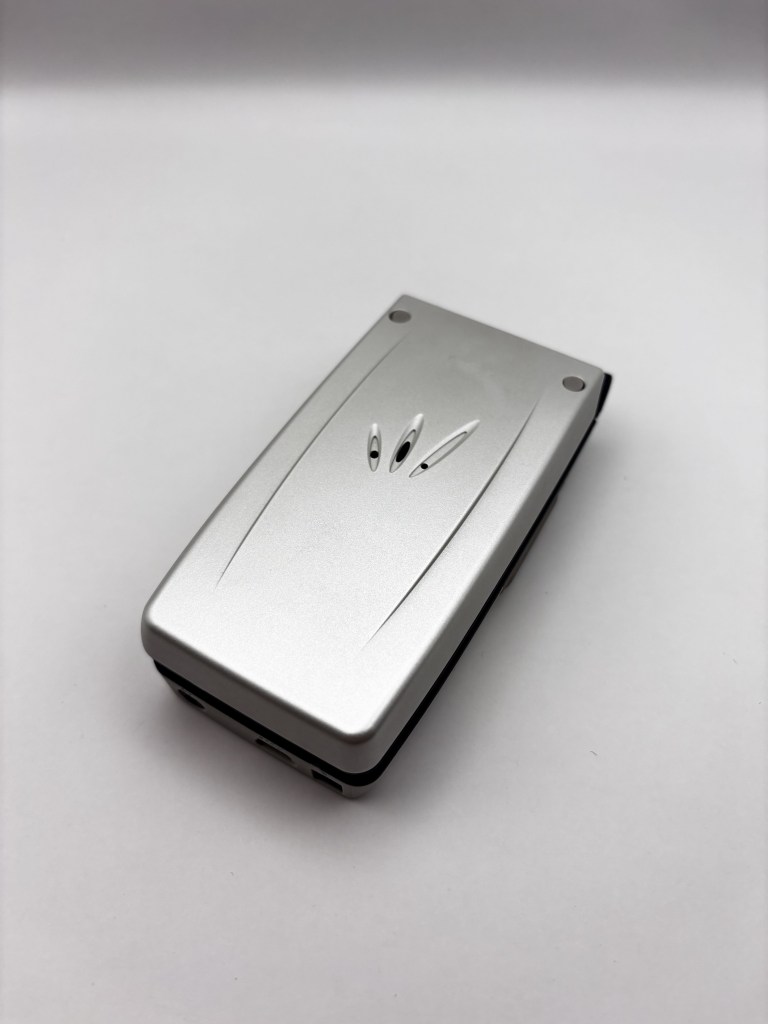
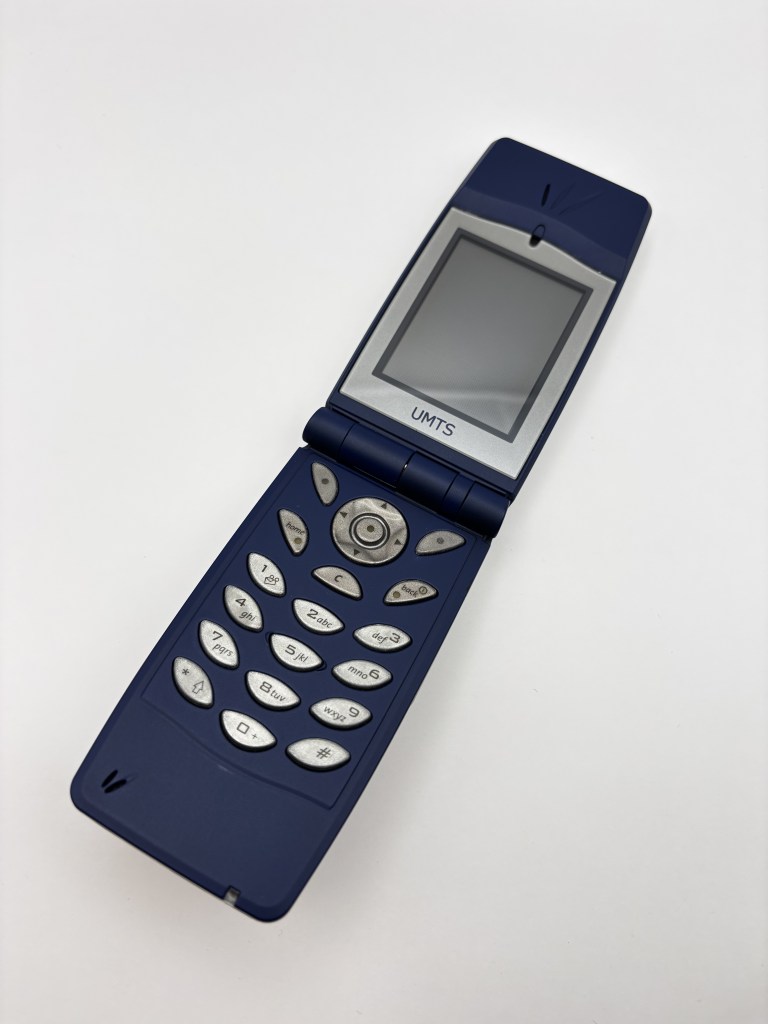
Overview
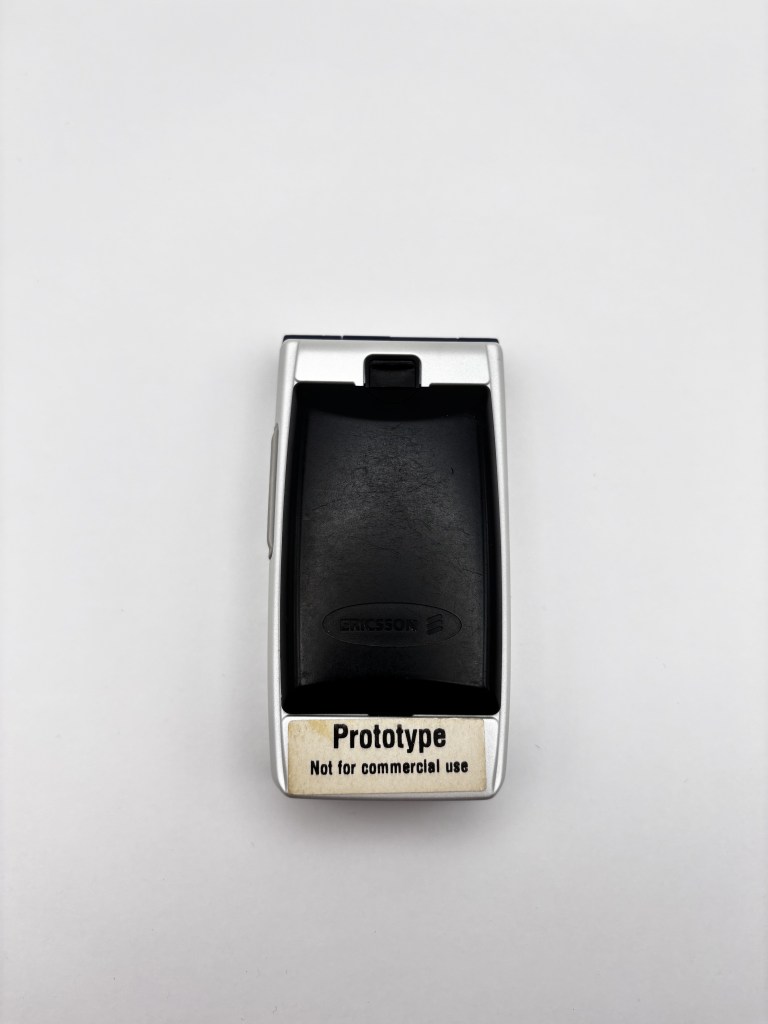
Wakaba was an early physical demonstration of Ericsson Mobile Platforms’ work on UMTS handset technology. Developed in 2002, the prototype was built around the U100 platform and was intended to show what a practical WCDMA/GSM dual-mode device could look like at a time when 3G networks were still in their infancy. The name “Wakaba” is Japanese for “fresh leaf”, an appropriate name for a platform representing a new generation of mobile technology.
The prototype incorporated a built-in antenna and was designed to support WCDMA data rates of up to 384 kbps alongside GSM/GPRS. It was developed for Amoi Electronics, a major Chinese handset manufacturer, and demonstrated the type of complete reference hardware Ericsson Mobile Platforms could provide to companies developing their own 3G products. The U100 platform itself was described by Ericsson as the world’s first fully verified WCDMA platform, with the reference solution combining the radio hardware, processor, software, development tools and supporting interfaces needed to turn the platform into a finished handset.
The commercial story came later. In November 2004, Amoi selected Ericsson Mobile Platforms as its WCDMA platform supplier and licensed the U100 for its future 3G products. The agreement demonstrates how the technology represented by Wakaba eventually moved from early prototype hardware towards a commercially usable platform. The Wakaba handset itself, however, remains a development specimen rather than a consumer product, preserving an early stage of Ericsson’s push into UMTS.

